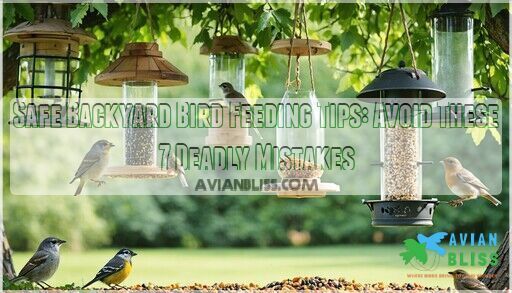
Backyard Bird Safety: Combatting Cats, Disease & Old Seed for Thriving Wild Birds
The gentle chirping and vibrant flashes of color that backyard birds bring can transform any outdoor space into a lively sanctuary. For many, providing food and water to these winged visitors is a deeply rewarding hobby. However, the responsibility of safe bird feeding extends far beyond simply filling a feeder. To truly nurture our feathered friends, we must actively combat threats like predatory cats, the spread of diseases, and the dangers of stale or contaminated feed. Ensuring a safe environment is paramount for the health and longevity of your local bird population.
The Foundation of Safe Bird Feeding: Fresh Seed & Spotless Feeders
One of the most critical aspects of safe bird feeding is maintaining the quality and freshness of the food you offer. Old, damp, or clumped seed can quickly become a breeding ground for harmful bacteria and mold, turning your well-intentioned feeder into a health hazard. Think of it this way: you wouldn't eat spoiled food, and neither should the birds you cherish.
Prioritizing Fresh Seed for Optimal Health
- Empty Before Refilling: Never simply top off your feeders. Always empty out any remaining bits of old seed before adding new. Residual seed can become damp, moldy, or compacted, hindering the free flow of fresh food.
- Hulled vs. Shelled Seeds: Be especially mindful with hulled seeds (like shelled sunflower hearts or shelled peanuts). While convenient for birds (no mess!), they lack an outer protective shell, making them more susceptible to moisture absorption and spoilage. Suet and seeds with shells, such as black oil sunflower, generally hold up better in wet weather, but still require regular checks.
- Clumping & Blockages: Old, damp seed often clumps together, preventing birds from accessing fresh food and encouraging spoilage. Regular agitation and emptying can prevent this.
- Daily Checks & Replenishment: If practical, placing fresh feed daily is ideal, especially on platform feeders or in high-traffic areas where contamination from droppings is more likely. Pay close attention to the weather; humid or rainy conditions accelerate spoilage.
- Proper Storage: Store your bird seed in airtight, moisture-proof containers in a cool, dry place. This not only keeps pests at bay but also prevents the seed from absorbing humidity and going stale prematurely. For more detailed advice on what to feed your backyard birds, check out our guide on Safe Bird Food & Fresh Seed: Top Tips for Healthy Backyard Birds.
Maintaining Impeccable Feeder Hygiene
Even the freshest seed can become contaminated in a dirty feeder. Bird droppings, discarded hulls, and moisture create a perfect environment for bacterial growth. Regular and thorough cleaning is non-negotiable for safe bird feeding.
- Routine Cleaning: Depending on traffic and weather, feeders should be cleaned weekly, if not more frequently. Bird baths require daily refreshing and cleaning every few days.
- Bleach Solution for Sanitation: For thorough disinfection, especially for platforms and other surfaces where feed may collect (including the area directly under feeders), use a 10 percent solution of household bleach in water. Soak feeders for 10-15 minutes, scrub thoroughly with a dedicated brush, rinse completely, and allow them to air dry fully before refilling. This is best done just prior to placing clean feed.
- Minimize Congregation Points: Spreading out feeders in your yard can help reduce overcrowding and, consequently, the build-up of droppings in any single area.
Protecting Your Feathered Friends from Feline Predators
Few sights are as disheartening for a backyard birder as witnessing a free-roaming cat snatching a bird from a feeder, a bird bath, or even a flower bed. Domestic cats are highly efficient predators, and their presence can decimate local bird populations. While it's easy to feel powerless, there are proactive steps you can take to make your yard a safer haven for birds.
Effective Cat Deterrents for a Safer Backyard
- Strategic Feeder Placement: Position feeders in open areas, at least 10-15 feet from any dense cover (shrubs, bushes, fences) where cats might hide and stalk. Placing feeders high off the ground, using poles with baffles, can also deter climbing predators.
- Physical Barriers: Consider installing "cat fencing" or specialized barriers around areas where birds congregate. Thorny plants or dense, low-growing shrubs can also create an uncomfortable barrier for cats.
- Bells on Cats: If the cats belong to you or a neighbor, attaching a bell to a collar can sometimes give birds a crucial early warning. However, this is not a foolproof solution.
- Motion-Activated Devices: Motion-activated sprinklers or ultrasonic deterrents can discourage cats from entering specific areas, though birds may also be startled initially.
- Dedicated Cat Enclosures (Catios): For cat owners, the ultimate solution is a "Catio" – a safe, enclosed outdoor space for your cat. This allows your pet to enjoy the outdoors without posing a threat to wildlife.
- Last Resort: Temporary Feeder Removal: If free-roaming cats are a persistent and severe problem, and other deterrents have failed, the most effective (though regrettable) measure is to temporarily remove your feeders. While difficult, this prioritizes the birds' safety over the convenience of feeding.
Battling Backyard Bird Diseases: Vigilance and Prevention
Disease outbreaks can devastate bird populations, especially at communal feeding sites. Understanding how diseases spread and recognizing their signs are crucial for responsible safe bird feeding. Two common threats are Salmonellosis and Trichomoniasis.
Understanding Common Disease Risks
- Salmonellosis: This bacterial infection often manifests in birds like Pine Siskins, especially when they gather in large numbers. During the winter of 2020/21, significant outbreaks occurred, leading to birds showing lethargy, puffy bodies, and ruffled feathers. Salmonella is spread through contaminated food and water, often via fecal matter.
- Trichomoniasis: Commonly affecting doves, pigeons, and finches, Trichomoniasis is caused by a protozoan parasite. Birds suffering from it may appear lethargic, have difficulty swallowing, and exhibit a "fluffed up" appearance. It's primarily transmitted through contaminated food and water, particularly at bird baths and platform feeders where doves tend to congregate.
Proactive Disease Management for Healthy Birds
While drug treatments are impractical for wild birds, prevention and early intervention are highly effective:
- Observe Your Birds: Become familiar with the normal behavior of your backyard birds. Any bird appearing lethargic, unusually puffed up, having trouble breathing, or showing signs of injury should raise a red flag.
- Immediate Feeder/Bath Removal: If you observe sick or dead birds in your yard, immediately take down all feeders and bird baths. This prevents further transmission to healthy birds. Clean and disinfect them thoroughly (using the 10% bleach solution) and consider leaving them down for at least 1-2 weeks to allow the sick birds to disperse and the disease cycle to break.
- Minimize Crowding: Disease transmission thrives in crowded conditions. Use multiple feeders spread across your yard to reduce the density of birds at any single spot. Employing different types of feeders can also help, as some diseases are more prevalent with certain bird species or feeder types (e.g., platform feeders and doves/Trichomoniasis).
- Maintain Unwavering Hygiene: As discussed, rigorous cleaning of feeders and bird baths is the cornerstone of disease prevention. Bacteria and parasites can persist on surfaces, making consistent sanitation essential.
- Consider Natural Food Sources: While feeders are great, also focus on planting native plants that provide natural food sources (berries, seeds, nectar, insects). This diversifies the birds' diet and reduces their reliance on feeders, indirectly minimizing disease risk.
Choosing the Right Provisions: Safe Bird Food Essentials
The type of food you offer is as important as its freshness and the cleanliness of the feeder. Providing high-quality, appropriate food is a vital part of safe bird feeding.
- Black Oil Sunflower Seeds: A universal favorite, these are packed with energy and have thin shells, making them easy for most birds to open. They are an excellent staple.
- Unsalted Peanuts: Whole or shelled unsalted peanuts are a hit with woodpeckers, jays, nuthatches, and chickadees, providing essential fats and protein.
- Suet: Especially valuable in cooler weather, suet cakes offer high-fat energy, crucial for birds to maintain body temperature. Ensure it's rendered suet, as raw fat can spoil quickly.
- Cracked Corn and White Proso Millet: These attract ground-feeding birds like sparrows, doves, and juncos. Offer them in platform feeders or scattered on the ground (in moderation, and only if cleaned daily) to minimize spoilage.
- Avoid "Human Snacks": Refrain from offering bread, crackers, or other human processed foods. These items provide little nutritional value and can even be harmful, akin to giving children only candy. Similarly, avoid salted nuts or seeds, as birds cannot process excess salt.
- Quality Over Quantity: Purchase fresh seed from reputable sources that have good turnover. Avoid buying in bulk if you don't use it quickly, as it can go stale or attract pests.
By diligently addressing the challenges of predatory cats, disease transmission, and maintaining peak food quality and feeder hygiene, you can ensure a truly safe bird feeding environment. Your commitment to these practices will not only enhance your enjoyment of backyard birds but also contribute significantly to their health and well-being, fostering a thriving ecosystem right outside your door.